Why Pokémon Cards Are Becoming Real Assets (And Not Just Nostalgia)
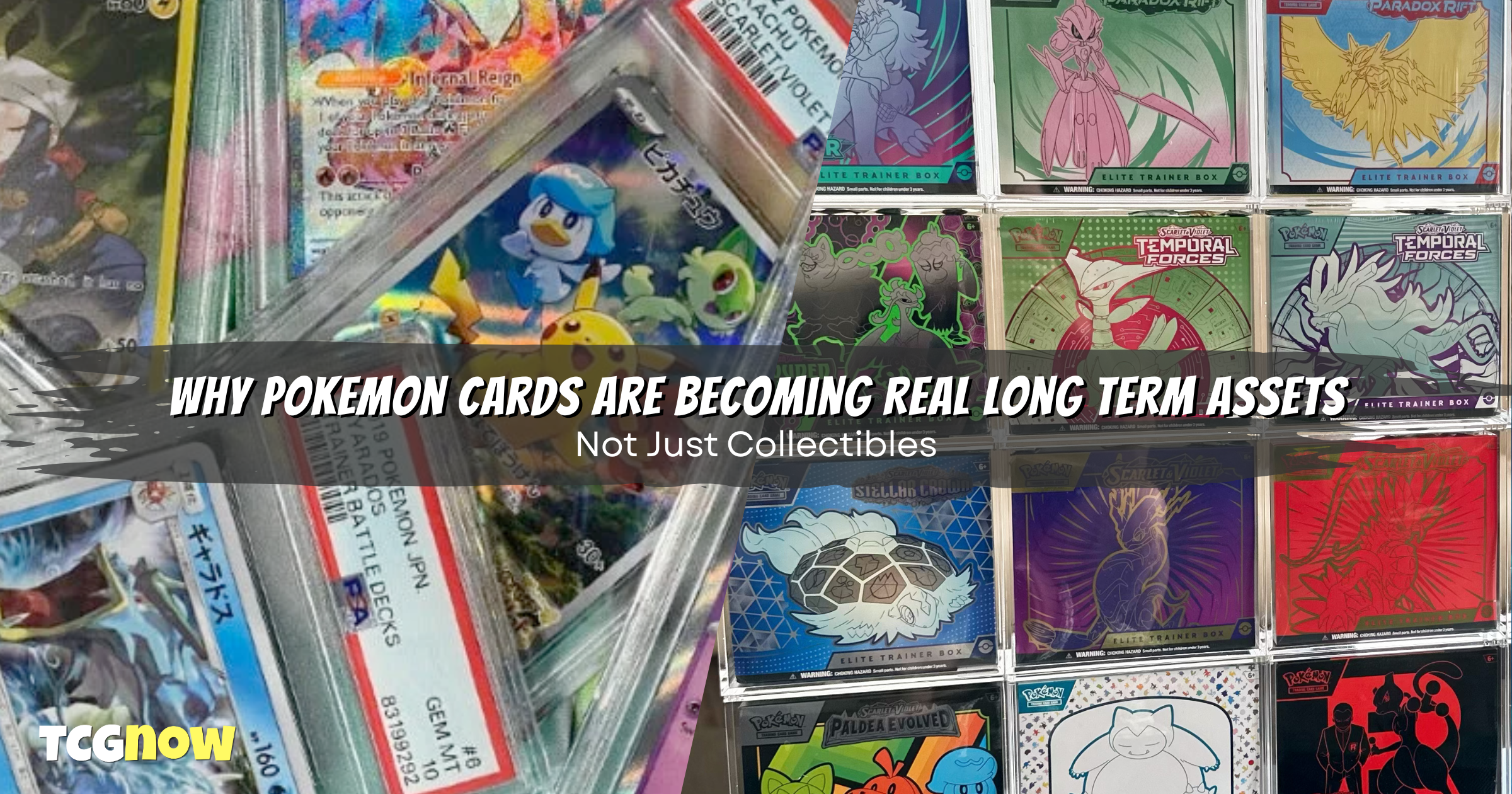
A few years ago, most people looked at Pokémon cards as childhood memories.
Today, that perception is changing fast.
What used to be a casual hobby is now quietly turning into a serious market — one where real money is involved, and in some cases, life-changing money. If that sounds exaggerated, look at what’s happening right now.
A RM4.4 Million Reality Check
Recently, a Malaysian collector listed part of his Pokémon collection for RM4,444,444. Not only that — he’s offering a five-figure commission just to find a buyer. This isn’t even his first major sale. In 2025, he sold another collection for RM1.87 million.
The current collection includes:
- Graded cards
- Raw cards
- Sealed boxes and packs
And the deal isn’t limited to cash. He’s open to trades like a Mercedes-AMG GTS plus RM3.8 million, showing just how serious — and flexible — this market has become.
This is no longer “just collecting.” This is asset-level behavior.
So Why Are Pokémon Cards Worth This Much?
It comes down to something simple:
Limited supply, growing demand.
Older Pokémon cards are no longer being printed. Over time, cards get damaged, lost, or locked away in private collections. That means fewer available copies every year. At the same time, demand keeps expanding. Kids who grew up with Pokémon are now adults with spending power. New collectors continue entering the hobby. And globally, Pokémon remains the biggest entertainment franchise in the world.
That combination creates pressure — and pressure creates price movement.
Not All Cards Are Equal
This is where most beginners get it wrong. Value doesn’t come from “having Pokémon cards.” It comes from having the right ones.
Cards that consistently hold value tend to share a few traits:
- Popular characters like Charizard, Pikachu, or Eeveelutions
- Strong condition (especially graded cards like PSA 10)
- Limited availability or older releases
Meanwhile, average cards — even from new sets — often struggle to hold long-term value.
Why People Are Starting to Take It Seriously
Compared to traditional investments, Pokémon has a unique advantage.
It’s not just numbers on a screen.
There’s emotional value, nostalgia, and visual appeal. People don’t just buy cards to “hold” — they display them, collect them, and connect with them. That emotional layer is powerful. It keeps demand alive even when markets slow down.
And over time, that’s what separates collectibles from typical assets.
The Long-Term Perspective
Pokémon cards aren’t a get-rich-quick play. The real gains come from time.
Collectors who did well didn’t flip quickly — they held through cycles. They bought quality items, ignored short-term noise, and let scarcity do the work over years.
That’s why we’re now seeing million-ringgit collections. Not because the market suddenly appeared — but because it matured.
Final Thought
You don’t need millions to get started. You don’t need to be an expert either.
But you do need to understand one thing:
This isn’t just a hobby anymore.
Pokémon cards sit somewhere between culture and assets — and that’s exactly why they’re becoming valuable. The difference moving forward won’t be who collects.
It will be who understands what they’re holding.
Related Post
Are Pokémon Card Prices About to Drop? What Malaysian Collectors Should Expect After the 30th Anniversary
Pokémon’s 30th Anniversary has created one of the biggest hype cycles the hobby has seen [...]
Mega Evolution Is Finally Moving — And It Might Just Be Getting Started
For the past few months, Mega Evolution has been sitting in a weird spot. The [...]