What Happens When the Pokémon TCG Hype Dies — And Who Gets Left Holding the Bag
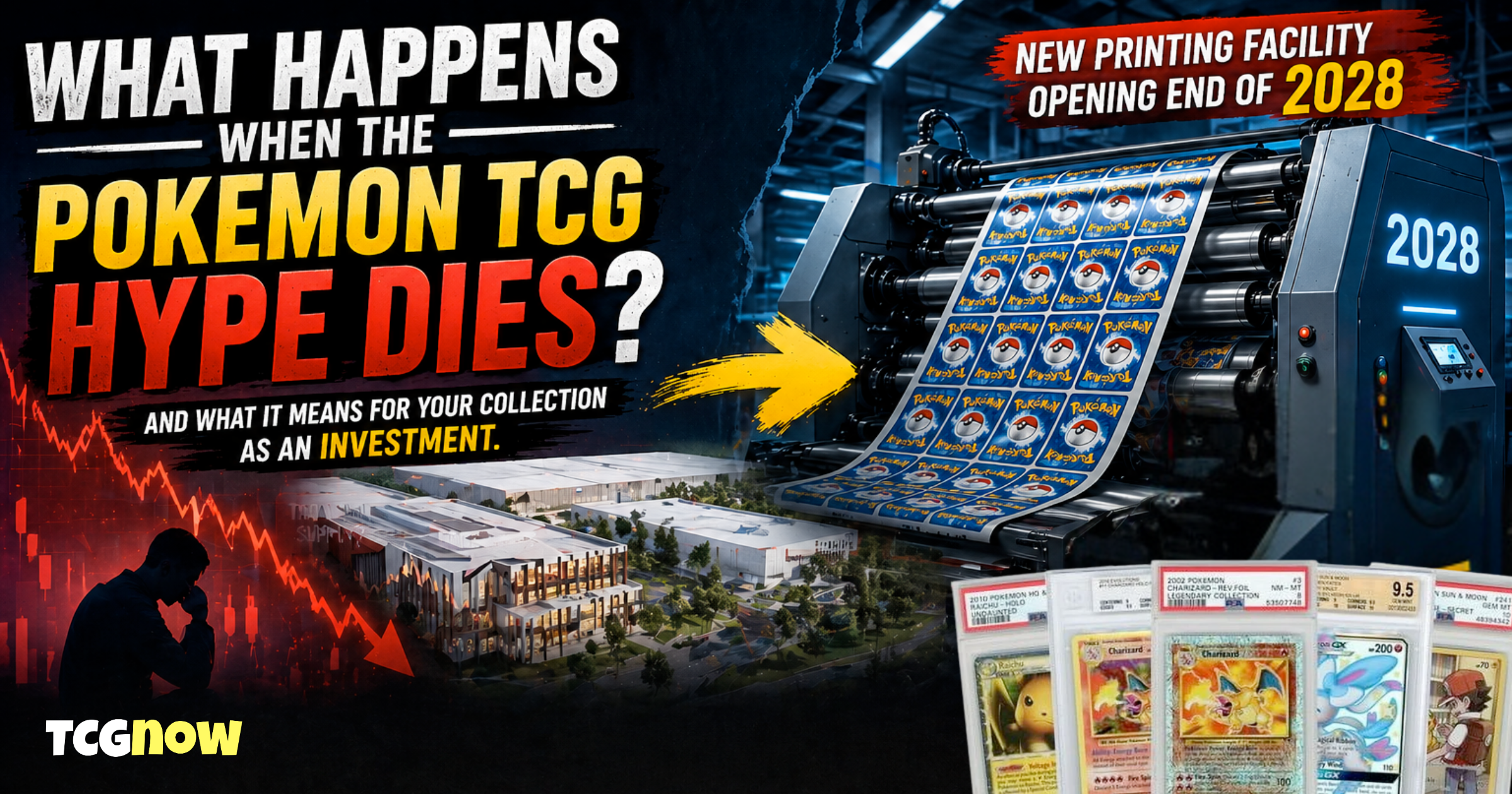
What actually happens to the Pokémon TCG market when the hype dies down?
- Not slows down.
- Not rotates.
- Dies down.
Because that moment will come. And with a new printing facility expected to come online by the end of 2028, the market isn’t just going to “cool” — it’s going to evolve.
The real question is:
When the casual crowd disappears… what happens to everything you’re holding?
The Market You’re In Right Now Isn’t Normal
Let’s get this out of the way first. This is not a normal Pokémon market.
Since 2020, we’ve seen:
- Massive influx of new collectors
- Speculation-driven buying
- Content-fueled hype cycles
- Modern products behaving like “investments”
Prices didn’t just rise — they accelerated. And more importantly, expectations changed. People now expect:
- Sealed to go up
- Chase cards to hold
- Everything to “recover eventually”
That mindset only exists in a hype cycle.
What Happens After Hype Cycles End
If you’ve been in the hobby long enough — or studied it — you’ve seen this before.
Pokémon (Pre-2020 Era)
From the early 2000s up until around 2016:
- Demand was low
- Sealed was cheap
- Singles were overlooked
You could buy what are now “grail items” for a fraction of today’s prices. And they stayed that way for years.
The Pattern Is Always the Same
Every collectible market follows a similar cycle:
- Hype builds
- Demand surges
- Supply increases
- Prices peak
- Demand fades
- Prices correct
- Market stabilizes
Right now? We are somewhere between stages 3 and 4.
The 2028 Factor — Why This Changes Everything
Here’s where things get serious. A new Pokémon printing facility is expected to be operational by the end of 2028.
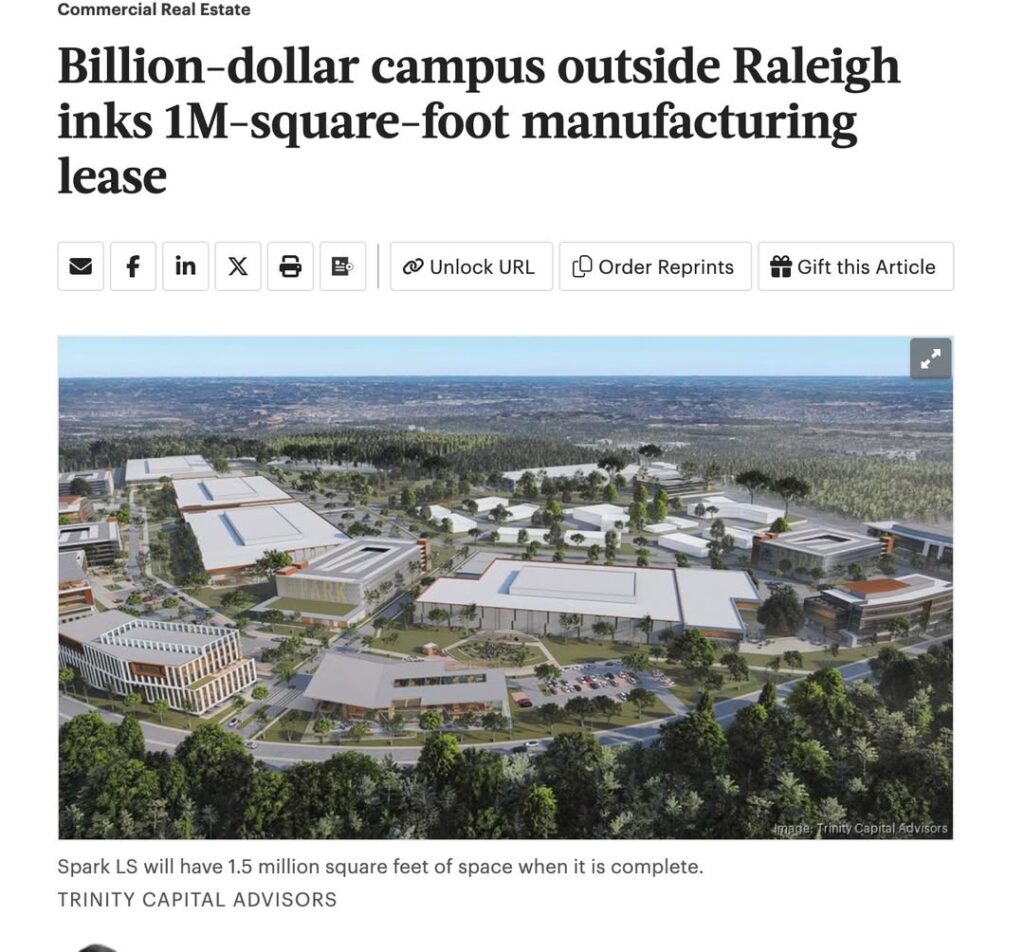
More printing capacity means:
- Higher supply
- Faster restocks
- Longer product availability
Which sounds good… until you think about what drives value.
Scarcity.
If Supply Increases, What Happens?
- Sets stay in print longer
- Sealed becomes easier to find
- “Out of print” loses its impact
- Price growth slows
This doesn’t kill the market. But it changes how the market behaves.
When Casual Collectors Leave
This is the part most people underestimate. Casual collectors are not long-term holders. They are:
- Hype-driven
- Emotion-driven
- Momentum-driven
They enter during peaks. And they leave quietly when things slow down.
When They Exit, The Market Feels It
- Fewer buyers
- Slower sales
- Lower liquidity
- More price sensitivity
And suddenly:
That card you thought was “liquid” isn’t moving anymore.
Not Everything Falls Equally
This is where most people get it wrong. When the market cools, everything doesn’t drop the same way.
The First to Fall
- Mid-tier hits
- Overprinted modern cards
- Hype-driven chases
These rely heavily on:
- New buyers
- Fast flips
- Social media attention
The Ones That Hold
- Iconic Pokémon (Charizard, Pikachu, Eeveelutions)
- Truly rare cards
- Low population graded cards
- Unique promos / limited distribution

These survive because demand exists beyond hype.
Sealed Product — Still Safe?
This is the big debate. Sealed has been one of the strongest performers in recent years.
But going forward?
It becomes more selective.
What Changes
Not all sealed will win anymore.
- Strong sets will continue to perform
- Average sets will stagnate
- Weak sets will sit
The era of “buy anything sealed and wait” is ending.
Raw Cards — The Most Exposed
Raw singles carry the most risk. Why?
- High supply
- Easy replacement
- Condition uncertainty
In a slower market:
- Buyers become more selective
- Prices become more sensitive
- Margins get tighter
Only the best cards hold value consistently.
Graded Cards — Not Bulletproof
Graded cards feel safe. But they’re not immune.
The real risk?
Population.
If a card has:
- Thousands of PSA 10s
- Continuous grading supply
Then:
- Growth slows
- Price ceilings form
Only low-pop or truly iconic cards outperform long term.
The Real Risk: Holding the Wrong Things
The biggest mistake isn’t buying Pokémon cards. It’s buying the wrong ones at the wrong time. The people who get caught are usually:
- Late buyers
- Overexposed to hype
- Holding assets without real demand
That’s how “bags” are created.
Where the Smart Money Moves
When markets shift, strategy matters more than timing. The focus moves toward:
- Scarcity
- Demand durability
- Historical relevance
Likely Winners
- Older sealed with proven demand
- Iconic Pokémon cards
- Low population slabs
- Region-specific or unique promos
What to Avoid
- Overhyped modern cards at peak
- High population PSA 10s
- Weak sealed sets with no identity
What the Next Few Years Might Look Like
2026–2027
- Market remains active
- Volatility continues
- Strong sets separate from weak ones
2028
- Increased supply enters
- Market starts adjusting
Post-2028
- Slower growth
- More selective gains
- Market maturity phase
Conclusion
The Pokémon TCG market isn’t ending. It’s maturing.
The easy phase — where almost everything works — doesn’t last forever.
And when the hype fades, the difference becomes clear:
Between what people bought…
and what actually holds value.
The real risk isn’t a crash. It’s not knowing what happens after the hype is gone.
Related Post
Pokémon Market Is Heating Up Again: The Biggest Price Spikes This Week
If you’ve been watching the market closely, one thing is clear: The Pokémon TCG isn’t [...]
The Fake Card Problem Is Getting Worse — And Pokémon Is Now The Biggest Target
The Pokémon TCG market has grown into a billion-dollar global hobby, but with bigger money [...]