Why Sealed Pokemon Might Be the Most Underrated Asset in Collecting
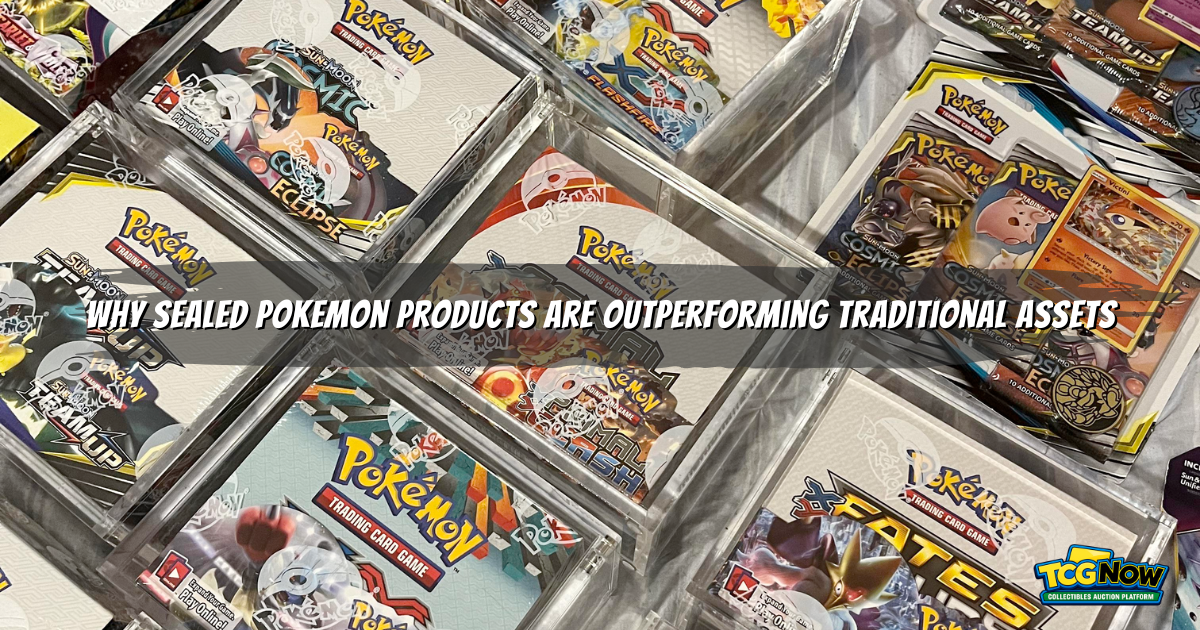
For most people, Pokemon cards are just a hobby. You open packs, chase hits, maybe grade a few cards — and that’s it.
But if you’ve been in the space long enough, you start to notice something different. The real money isn’t always in the cards.
It’s in the sealed.
Sealed vs Everything Else
Over the past few years, sealed Pokemon products have quietly delivered some of the most impressive returns in the collectibles space.
Booster boxes. ETBs. Collection boxes.
Products that originally sat on shelves at retail are now trading at multiples of their original price. And in certain timeframes, they’ve even outperformed traditional assets like stocks — and at times, even crypto.
Here’s a simple comparison to visualize how sealed Pokemon has behaved:

This is not exact market tracking, but it reflects a very real pattern:
- Sealed Pokemon shows strong long-term growth
- Stocks grow steadily but slower
- Crypto spikes hard but is extremely volatile
Sealed sits somewhere in between — but with a unique advantage.
The Supply Problem (And Why It Matters)
The biggest reason sealed works so well is simple:
Supply only goes one way.
Down.
Once a set goes out of print, no more is being produced. At the same time, people are opening packs every single day.
That means:
- Total sealed supply keeps shrinking
- Demand keeps growing
- Availability gets tighter over time
Unlike stocks or crypto, where supply is fluid or infinite, sealed Pokemon is finite. And that changes everything.
Demand Keeps Getting Stronger
While supply decreases, demand does the opposite.
It grows.
New collectors enter the hobby every year. Old collectors come back because of nostalgia. Content creators keep pushing the space forward.
And then there’s one key factor:
Sealed is easy to understand.
You don’t need to analyze centering or condition. You don’t need to worry about grading. A sealed box is a sealed box.
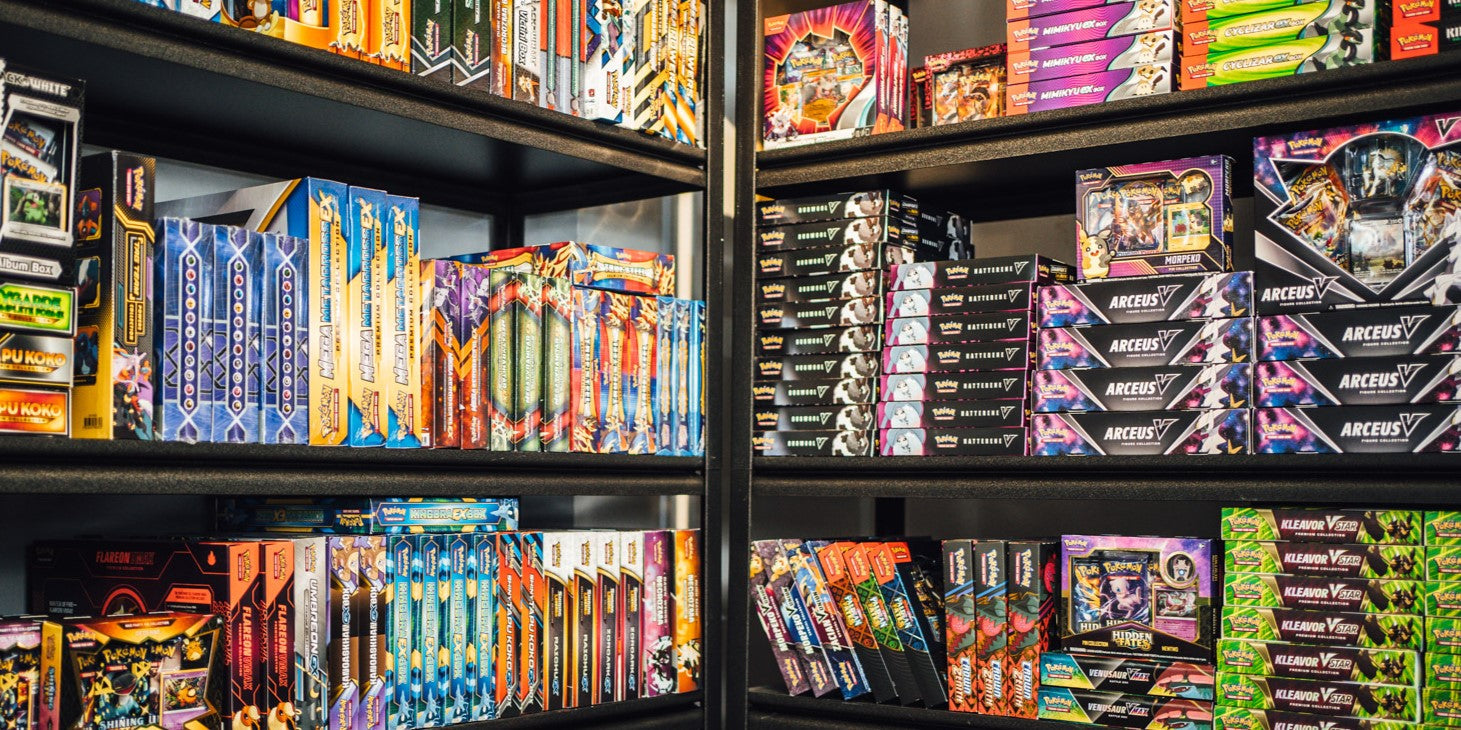
It’s Not Just an Asset — It’s an Experience
This is where sealed Pokemon becomes different from traditional assets. You’re not just holding value.
You’re holding:
- A display piece
- A piece of nostalgia
- A “what if” moment
There’s always that thought:
“What if I open it?”
That temptation is part of the value. It’s what keeps people engaged, and ironically, it’s what keeps reducing supply. Every time someone gives in and opens a box, sealed becomes rarer.
But It’s Not Perfect
Let’s be clear — sealed doesn’t always go up.
There are risks:
- Overprinted modern sets
- Long stagnation periods
- Market cooldowns
- Buying at peak hype
Not every product becomes valuable. Not every set performs. But over time, strong sets tend to separate themselves.
Modern vs Older Sealed
Older sealed products (like pre-2020 era) have already proven their value. Modern sealed is where things get interesting. There’s more supply. More awareness. More people “investing.”
Which means:
- Gains may be slower
- But demand is also much larger
The question now isn’t whether sealed works. It’s which sealed products will.

So… Should You Hold or Rip?
This is the question every collector faces.
Do you keep it sealed?
Or do you open it?
There’s no right answer. Opening gives you the experience. Holding gives you the long-term upside. Most experienced collectors end up doing both.
Conclusion
Sealed Pokemon sits in a unique position. It’s part collectible, part asset, and part experience.
It doesn’t behave like stocks.
It doesn’t behave like crypto.
And that’s exactly why it works. The real question is no longer whether sealed has value. It’s whether you have the discipline to keep it sealed.
Related Post
Mega Evolution Is Finally Moving — And It Might Just Be Getting Started
For the past few months, Mega Evolution has been sitting in a weird spot. The [...]
What Happens When the Pokémon TCG Hype Dies — And Who Gets Left Holding the Bag
What actually happens to the Pokémon TCG market when the hype dies down? Not slows [...]