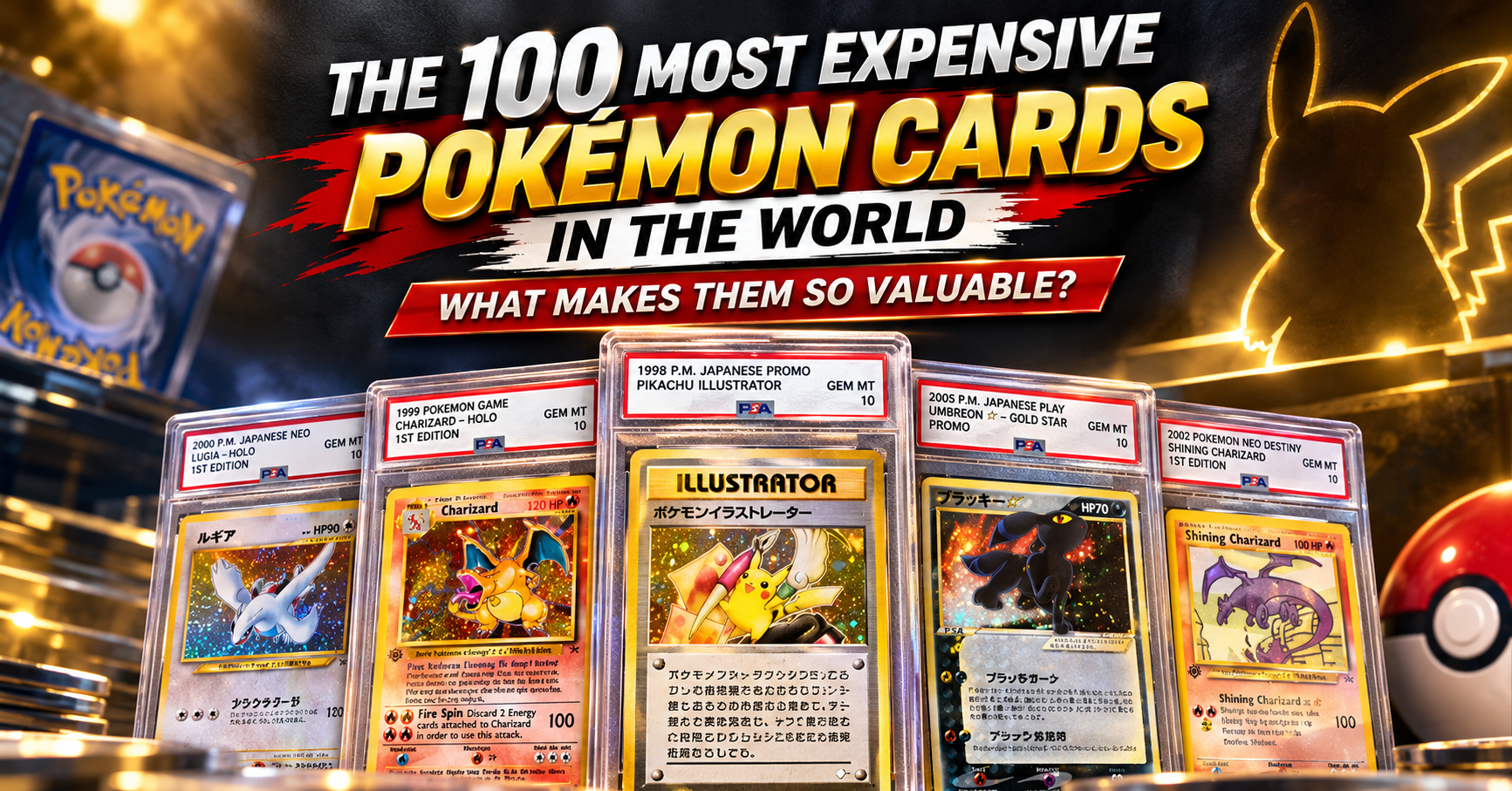
The 100 Most Expensive Pokémon Cards in the World — What Makes Them So Valuable?
How much would you pay for a Pokémon card? RM500? RM5,000? Perhaps RM50,000 for something truly special?
The Pokémon TCG has grown from a childhood trading card game into a global collectibles market, where rare tournament prizes, early promotional releases and exceptionally preserved vintage cards can command extraordinary prices.
But here’s something interesting: some of the world’s most desirable Pokémon cards were never available in booster packs.
A ranking published by CardCollector.co.uk highlights 100 high-end Pokémon collectibles, ranging from the legendary Pikachu Illustrator to vintage Charizards, Gold Star Pokémon and obscure Japanese promotional cards.
We’ve taken that ranking and explored what Malaysian collectors can learn from it.
The 100 Most Expensive Pokémon Cards
The following list follows CardCollector.co.uk’s published ranking. Card names have been shortened slightly for readability while retaining the important identifying details.
Important: This is the source’s ranking of high-value collectibles, not a live price chart. The source does not provide a verified individual transaction price for every card, so we have not invented RM valuations.
Rankings 1–25
| Rank | Card Image | Pokémon Card | Year |
|---|---|---|---|
| 1 | 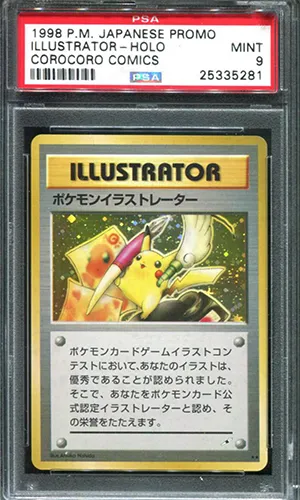 |
Japanese Promo Pikachu Illustrator Holo | 1998 |
| 2 | 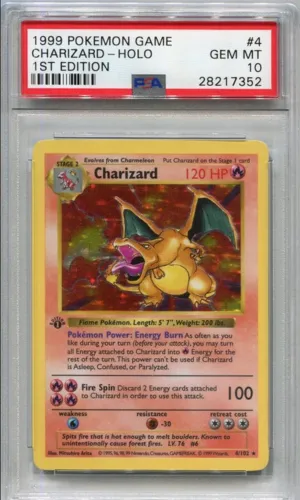 |
Base Set 1st Edition Shadowless Charizard Holo #4 | 1999 |
| 3 | 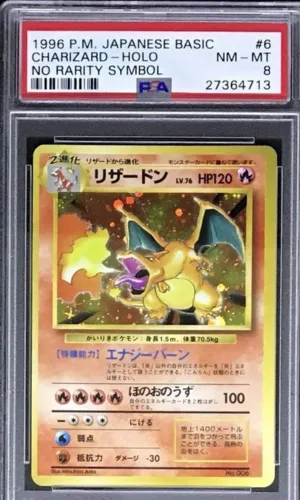 |
Japanese Base Set No Rarity Charizard Holo | 1996 |
| 4 | 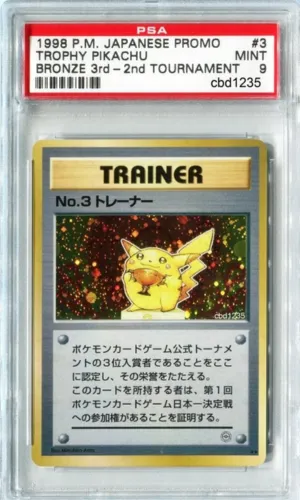 |
Japanese Bronze Trophy Pikachu – 3rd/2nd Tournament | 1998 |
| 5 | 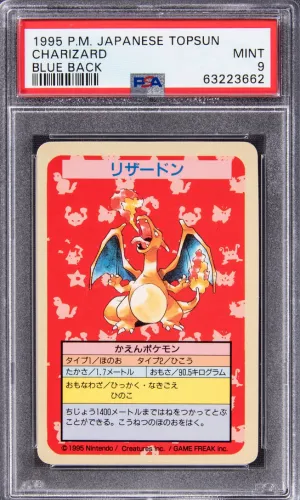 |
Japanese Topsun Blue Back No Number Charizard | 1995 |
| 6 | 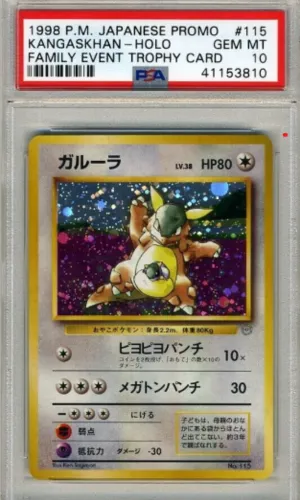 |
Japanese Family Event Trophy Kangaskhan Holo | 1998 |
| 7 | 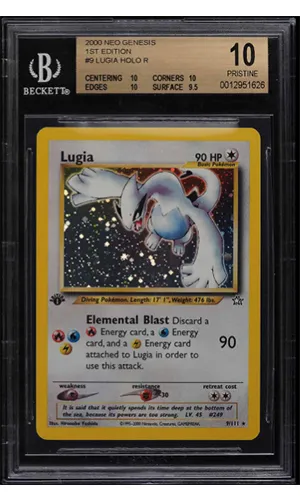 |
Neo Genesis 1st Edition Lugia Holo #9 | 2000 |
| 8 | 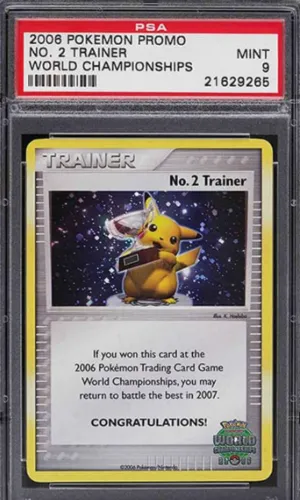 |
World Championships No. 2 Trainer Promo | 2006 |
| 9 | 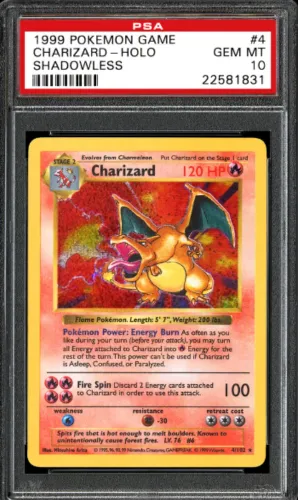 |
Base Set Shadowless Charizard Holo #4 | 1999 |
| 10 | 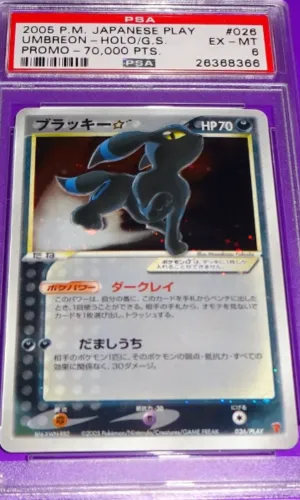 |
Japanese PLAY Promo Gold Star Umbreon #026 – 70,000 Points | 2005 |
| 11 | 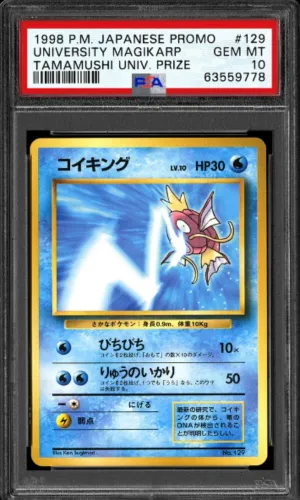 |
Japanese Tamamushi University Prize Magikarp #129 | 1998 |
| 12 | 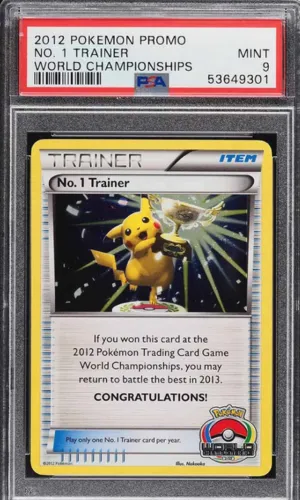 |
World Championships No. 1 Trainer Promo | 2012 |
| 13 | 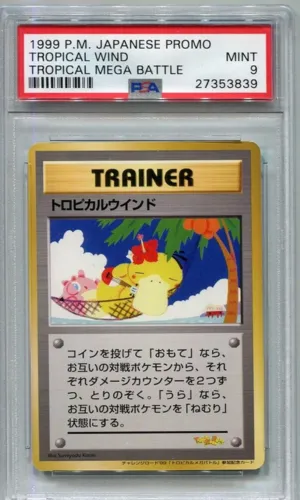 |
Japanese Tropical Mega Battle – Tropical Wind | 1999 |
| 14 | 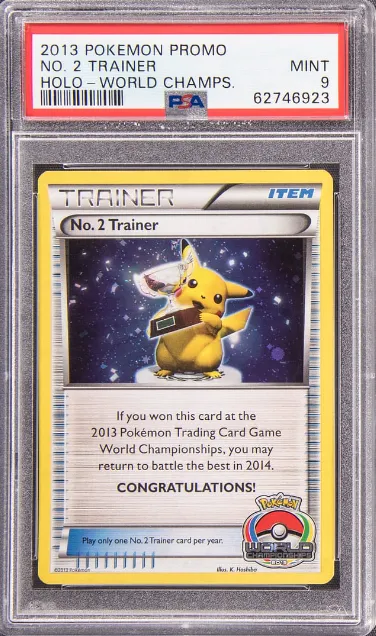 |
World Championships No. 2 Trainer Holo Promo | 2013 |
| 15 |  |
Japanese Summer Battle Road – Mew Victory Orb Trophy | 2005 |
| 16 | 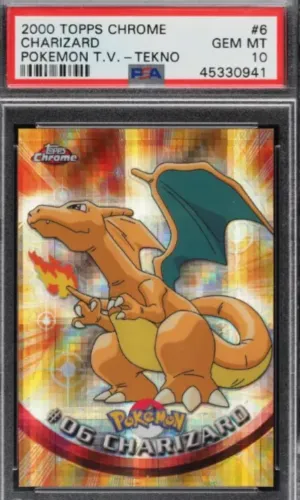 |
Topps Chrome Series 1 Tekno Charizard #6 | 2000 |
| 17 | 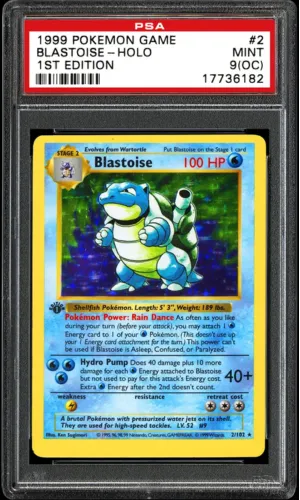 |
Base Set 1st Edition Shadowless Blastoise Holo #2 | 1999 |
| 18 | 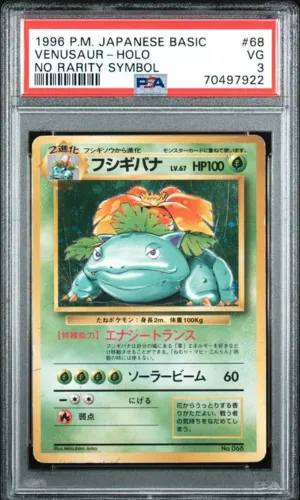 |
Japanese Base Set No Rarity Venusaur Holo | 1996 |
| 19 | 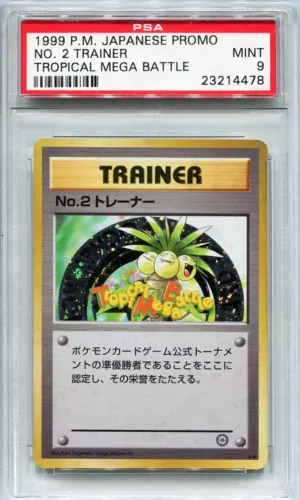 |
Japanese Tropical Mega Battle No. 2 Trainer | 1999 |
| 20 | 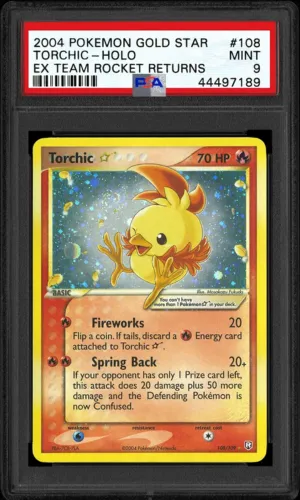 |
EX Team Rocket Returns Gold Star Torchic Holo | 2004 |
| 21 | 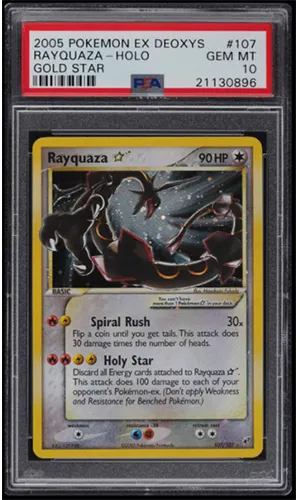 |
EX Deoxys Gold Star Rayquaza Holo #107 | 2005 |
| 22 | 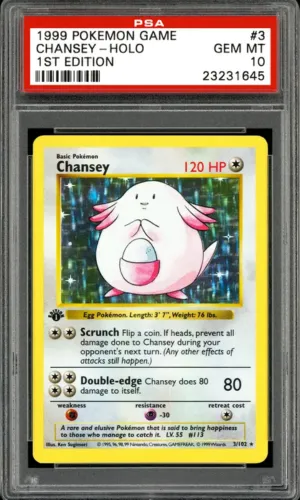 |
Base Set 1st Edition Shadowless Chansey Holo #3 | 1999 |
| 23 | 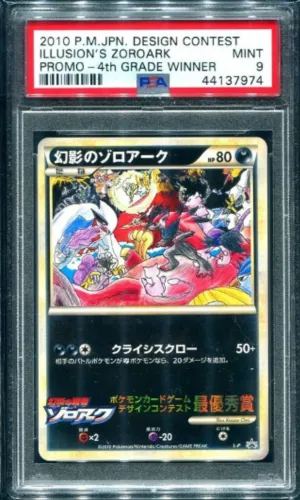 |
Japanese Design Promo – Illusion’s Zoroark, 4th Grade Winner | 2010 |
| 24 | 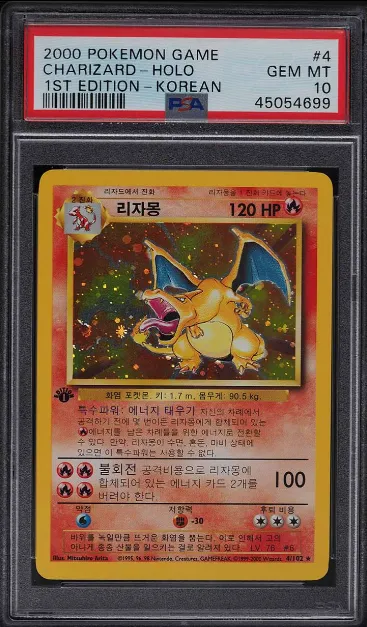 |
Korean Base Set 1st Edition Charizard Holo #4 | 2000 |
| 25 | 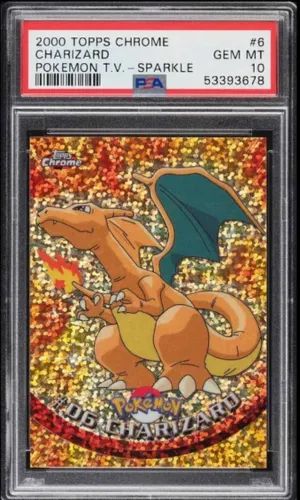 |
Topps Chrome Series 1 Sparkle Charizard #6 | 2000 |
The first 25 cards already tell us something important.
Charizard appears repeatedly, but tournament prizes and Japanese promotional cards occupy many of the highest positions.
That’s because a card doesn’t necessarily need to be popular with casual collectors to be highly desirable among serious buyers.
Rankings 26–50
| Rank | Card Image | Pokémon Card | Year |
|---|---|---|---|
| 26 | 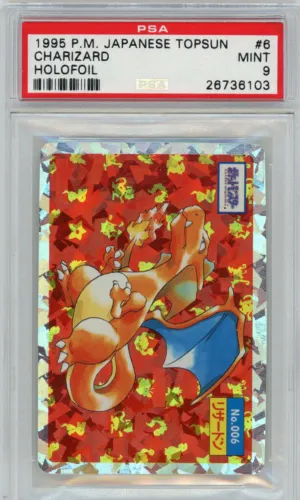 |
Japanese Topsun Holofoil Charizard #6 | 1995 |
| 27 | 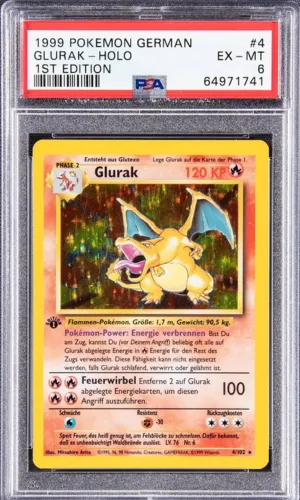 |
German Base Set 1st Edition Charizard Holo #4 | 1999 |
| 28 | 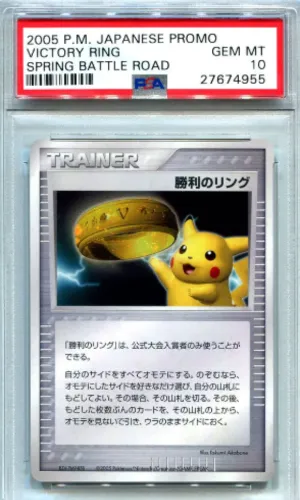 |
Japanese Spring Battle Road – Victory Ring | 2005 |
| 29 | 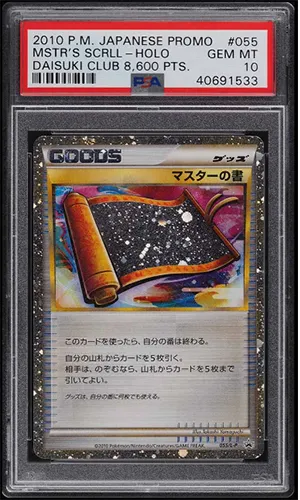 |
Japanese Daisuki Club Master Scroll Holo #055 – 8,600 Points | 2010 |
| 30 | 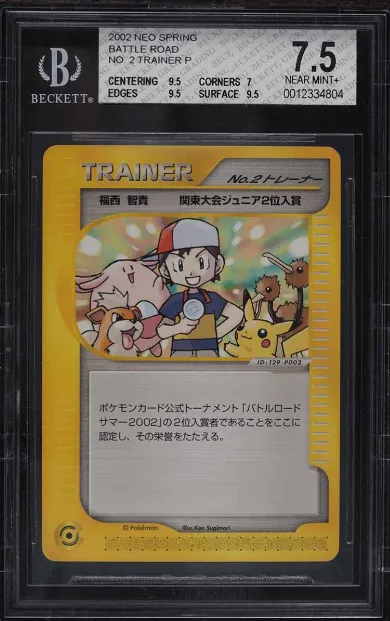 |
Neo Spring Battle Road No. 2 Trainer Trophy | 2002 |
| 31 | 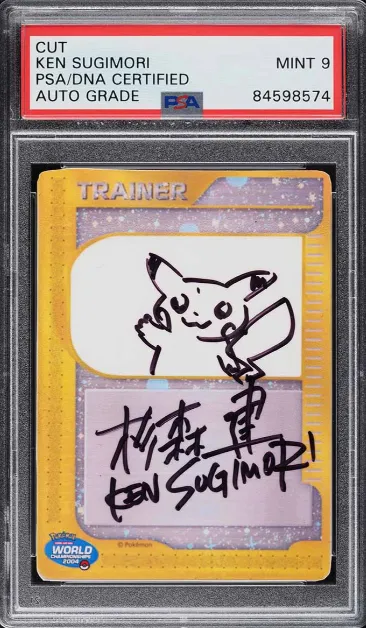 |
World Championships – Ken Sugimori Pokémon Cut | 2004 |
| 32 | 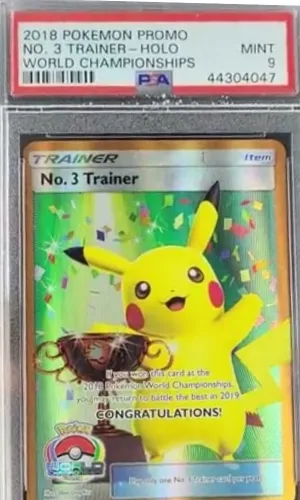 |
World Championships No. 3 Trainer Holo Promo | 2018 |
| 33 | 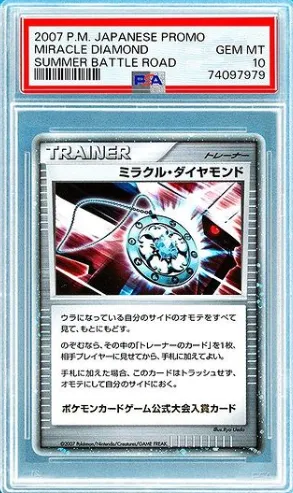 |
Japanese Summer Battle Road – Miracle Diamond | 2007 |
| 34 | 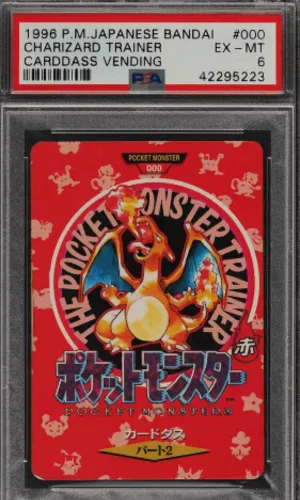 |
Japanese Bandai Carddass Prism Red Charizard | 1996 |
| 35 | 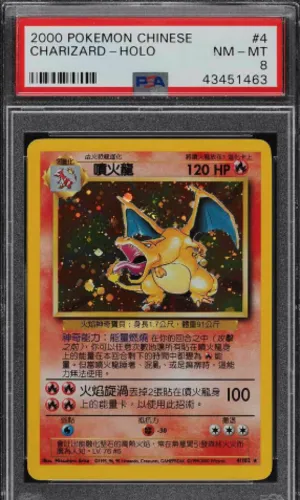 |
Chinese Base Set Charizard Holo #4 | 2000 |
| 36 | 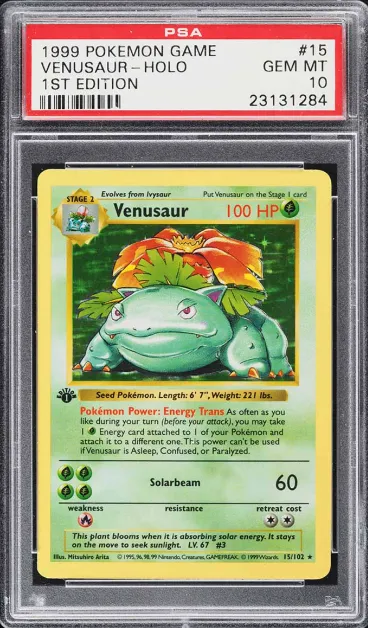 |
Base Set 1st Edition Shadowless Venusaur Holo | 1999 |
| 37 | 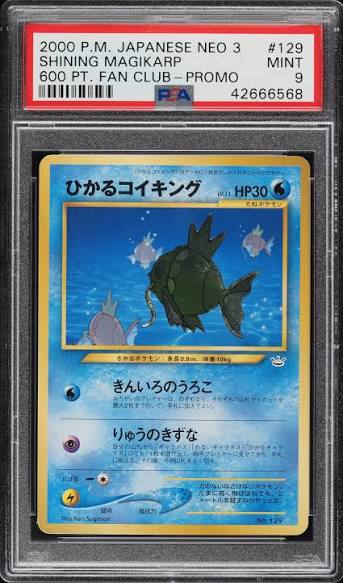 |
Japanese Neo 3 Fan Club Shining Magikarp – 600 Points | 2000 |
| 38 | 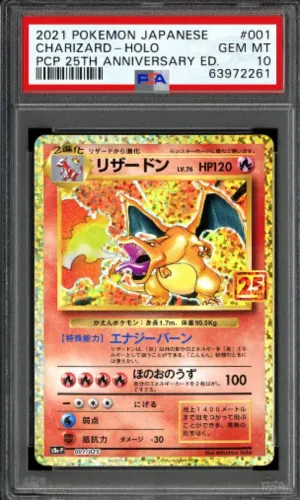 |
Japanese 25th Anniversary Creatures Deck – Corporate History Charizard | 2021 |
| 39 | 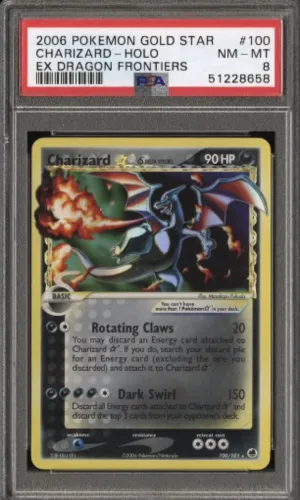 |
EX Dragon Frontiers Gold Star Charizard Holo #100 | 2006 |
| 40 | 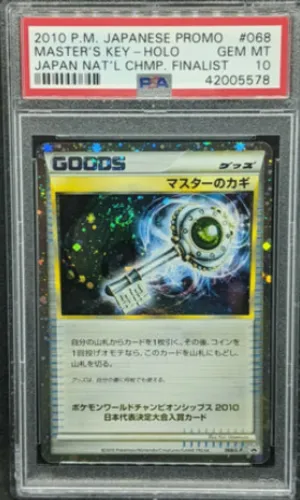 |
World Championships Master Key Trophy | 2010 |
| 41 | 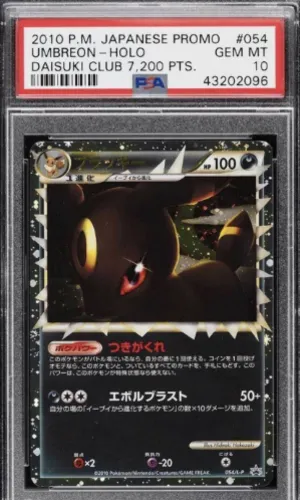 |
Japanese Daisuki Club Special Rank Prize Umbreon Prime | 2010 |
| 42 | 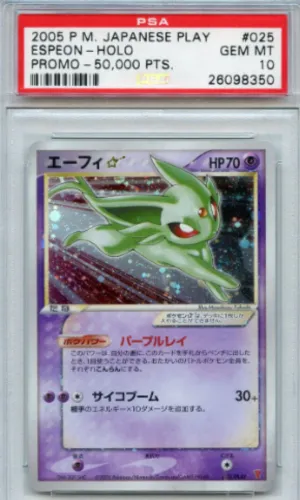 |
Japanese PLAY Promo Gold Star Espeon #025 – 50,000 Points | 2005 |
| 43 | 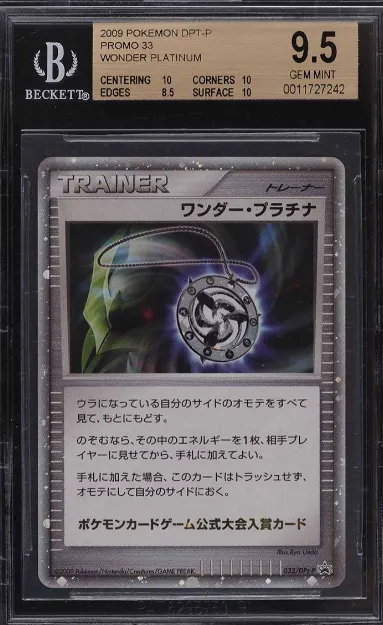 |
Japanese Wonder Platinum Trophy Promo | 2009 |
| 44 | 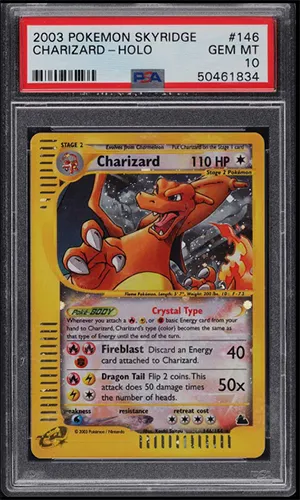 |
Skyridge Crystal Charizard Holo #146 | 2003 |
| 45 | 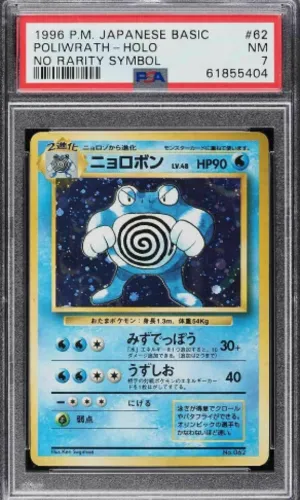 |
Japanese Base Set No Rarity Poliwrath Holo #62 | 1996 |
| 46 | 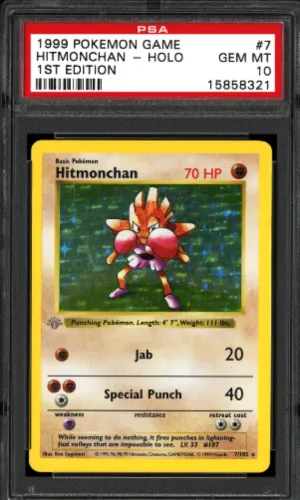 |
Base Set 1st Edition Shadowless Hitmonchan Holo #7 | 1999 |
| 47 | 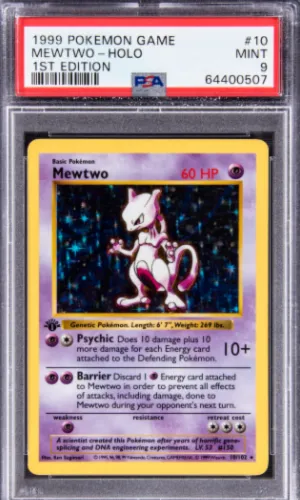 |
Base Set 1st Edition Shadowless Mewtwo Holo #10 | 1999 |
| 48 | 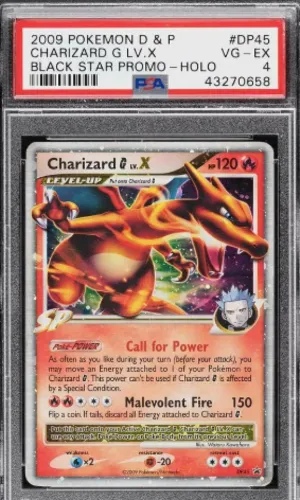 |
Diamond & Pearl Promo Charizard G LV.X Holo #DP45 | 2009 |
| 49 | 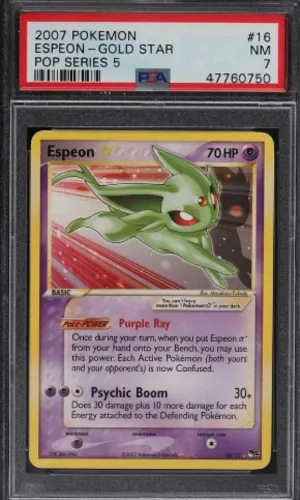 |
POP Series 5 Gold Star Espeon #16 | 2007 |
| 50 | 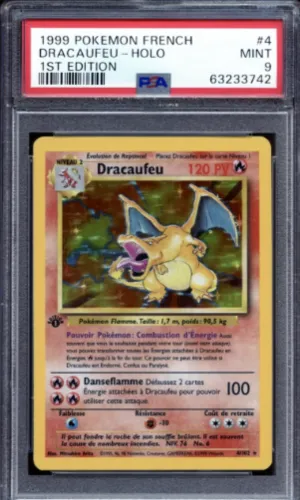 |
French Base Set 1st Edition Charizard Holo #4 – Dracaufeu | 1999 |
Notice how many different versions of Charizard appear?
We’re not simply talking about the same card in different grades. Some are Japanese releases, others are German, French or Korean, while certain versions come from completely different product lines.
For collectors, identifying the exact printing and variation is essential.
A small difference in language, edition stamp or distribution method can create a major difference in value.
Rankings 51–75
| Rank | Card Image | Pokémon Card | Year |
|---|---|---|---|
| 51 | 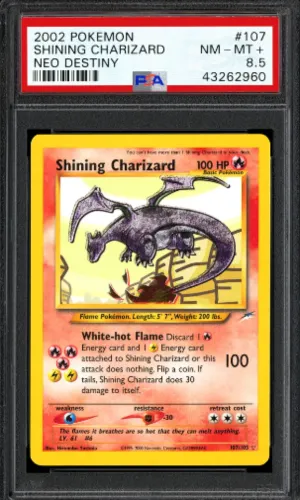 |
Neo Destiny 1st Edition Shining Charizard #107 | 2002 |
| 52 | 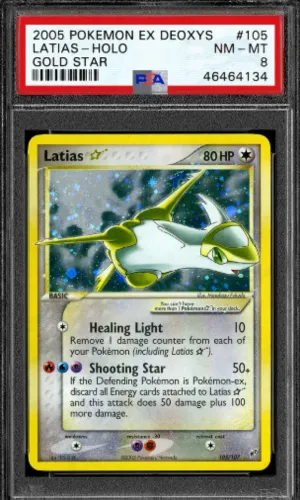 |
EX Deoxys Gold Star Latias Holo #105 | 2005 |
| 53 | 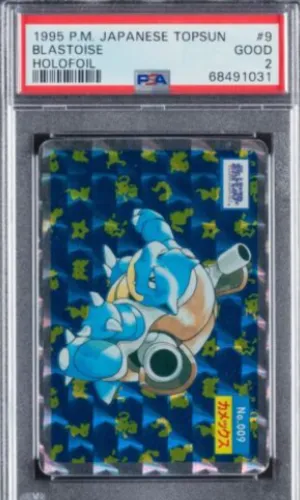 |
Japanese Topsun Holofoil Blastoise #9 | 1995 |
| 54 | 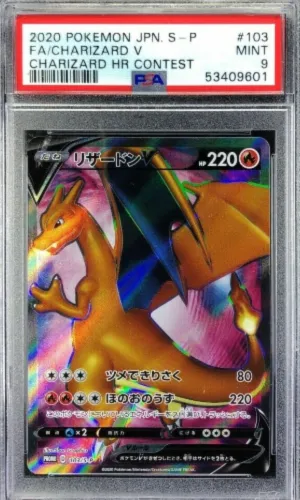 |
Japanese HR Contest Winner Charizard V Full Art #103/S-P | 2020 |
| 55 | 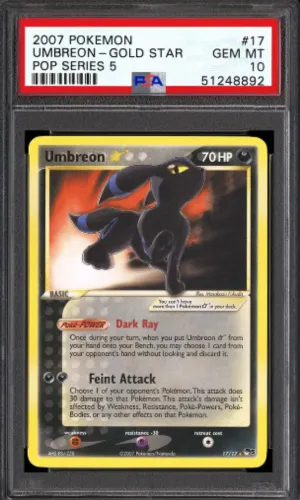 |
POP Series 5 Gold Star Umbreon #17 | 2007 |
| 56 | 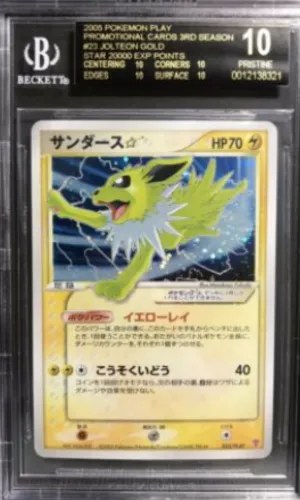 |
Japanese PLAY Promo Gold Star Jolteon #23 – 20,000 Points | 2005 |
| 57 | 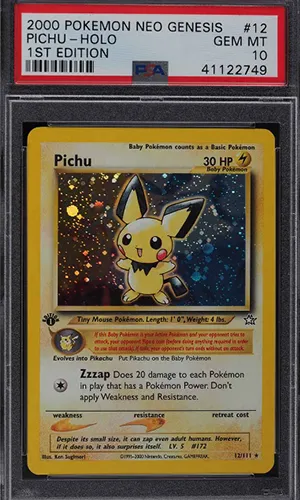 |
Neo Genesis 1st Edition Pichu Holo #12 | 2000 |
| 58 | 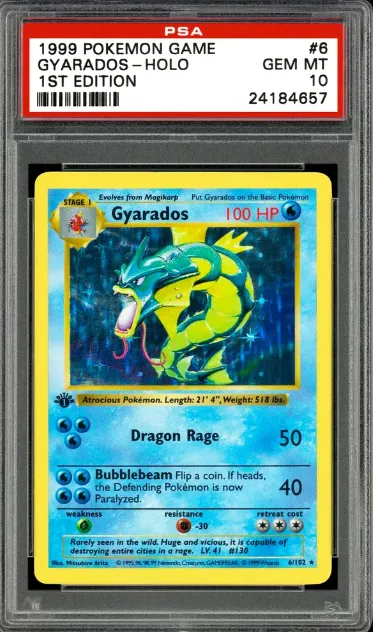 |
Base Set 1st Edition Shadowless Gyarados Holo #6 | 1999 |
| 59 | 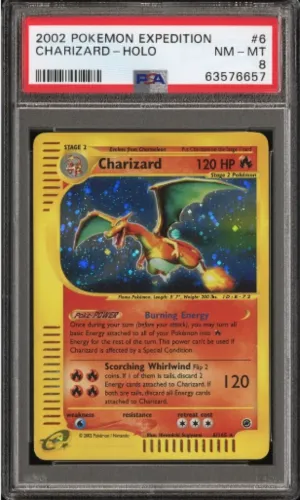 |
Expedition Charizard Holo #6 | 2002 |
| 60 | 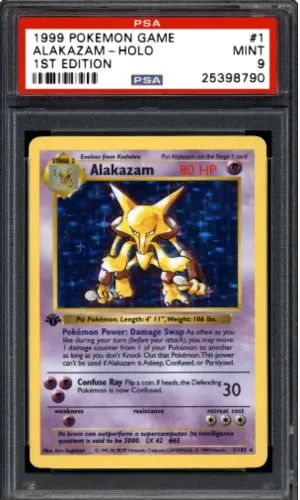 |
Base Set 1st Edition Shadowless Alakazam Holo #1 | 1999 |
| 61 | 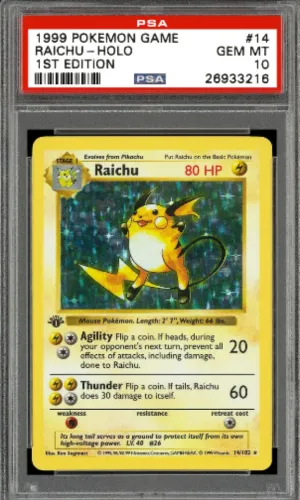 |
Base Set 1st Edition Shadowless Raichu Holo #14 | 1999 |
| 62 | 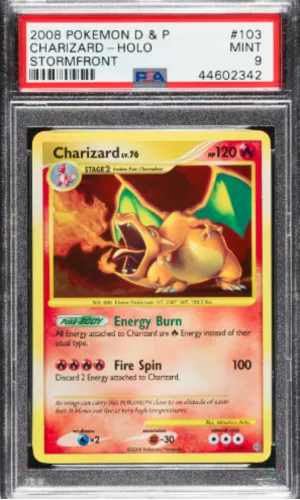 |
Stormfront Secret Rare Charizard Holo #103 | 2008 |
| 63 | 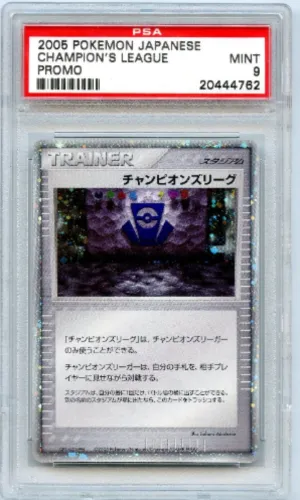 |
Japanese Champion’s League Promo | 2005 |
| 64 | 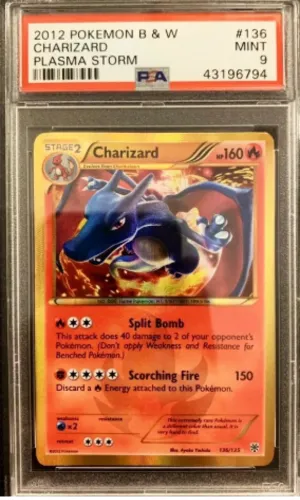 |
Plasma Storm Charizard #136 | 2012 |
| 65 | 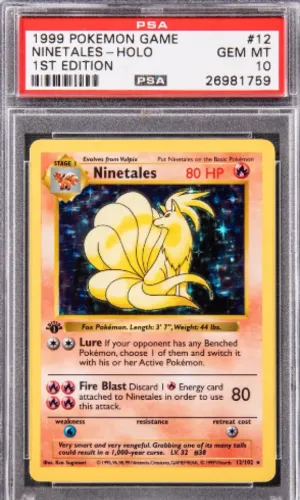 |
Base Set 1st Edition Shadowless Ninetales Holo #12 – Thick Stamp | 1999 |
| 66 | 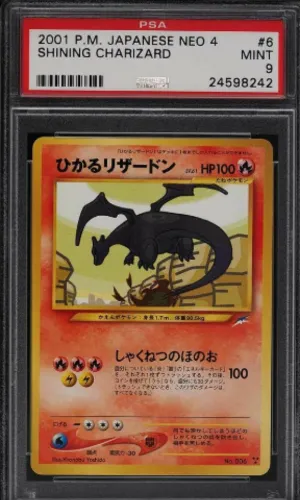 |
Japanese Neo 4 Shining Charizard #6 | 2001 |
| 67 | 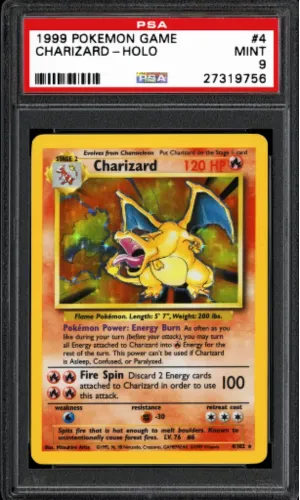 |
Base Set Charizard Holo #4 | 1999 |
| 68 | 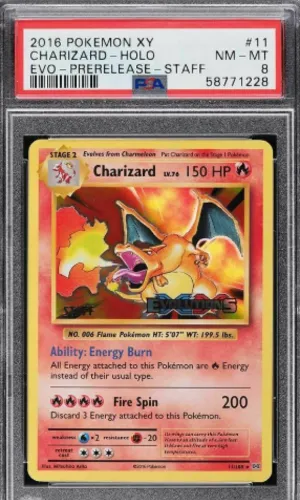 |
XY Evolutions Prerelease Staff Charizard Holo #11 | 2016 |
| 69 | 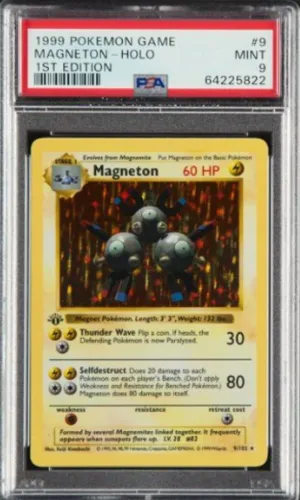 |
Base Set 1st Edition Shadowless Magneton Holo #9 | 1999 |
| 70 | 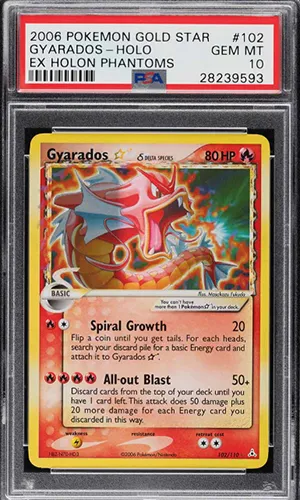 |
EX Holon Phantoms Gold Star Gyarados Holo #102 | 2006 |
| 71 | 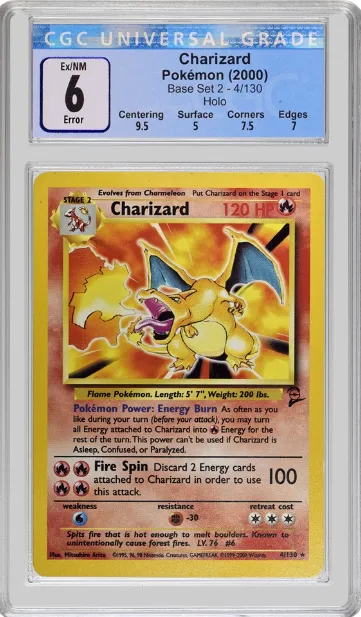 |
Base Set 2 Non-Holo Charizard Error #4 | 2000 |
| 72 | 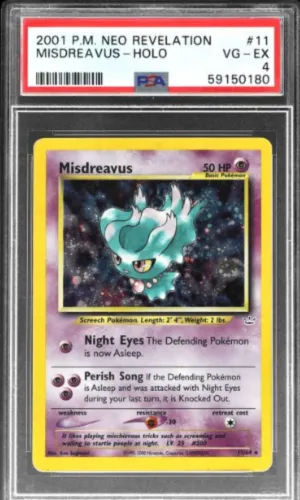 |
Neo Revelation 1st Edition Misdreavus Holo #11 | 2001 |
| 73 | 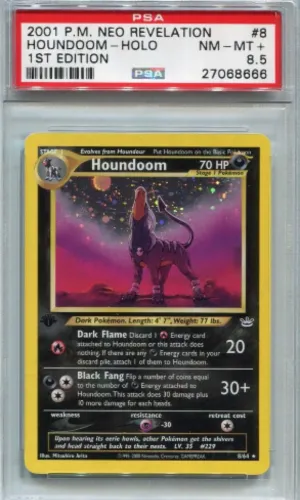 |
Neo Revelation 1st Edition Houndoom Holo #8 | 2001 |
| 74 | 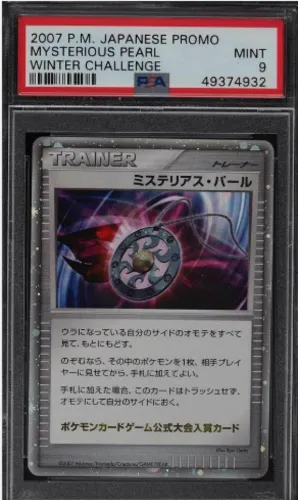 |
Japanese Winter Challenge – Mysterious Pearl | 2007 |
| 75 | 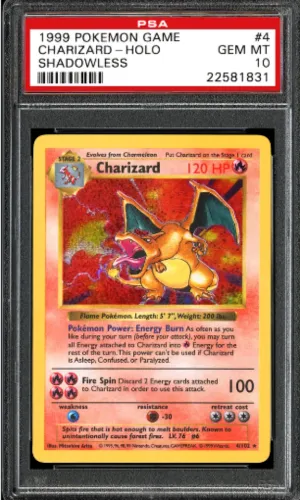 |
Base Set Shadowless Charizard Holo #4 | 1999 |
The middle section includes several cards that experienced collectors will immediately recognise.
Gold Star Pokémon, Neo-era Shining cards and Crystal Pokémon from the e-Reader era are particularly interesting because they represent collecting periods that are difficult to recreate today.
Modern cards might have impressive artwork and challenging pull rates, but vintage cards have another advantage: time has already reduced the number of copies surviving in excellent condition.
Rankings 76–100
| Rank | Card Image | Pokémon Card | Year |
|---|---|---|---|
| 76 | 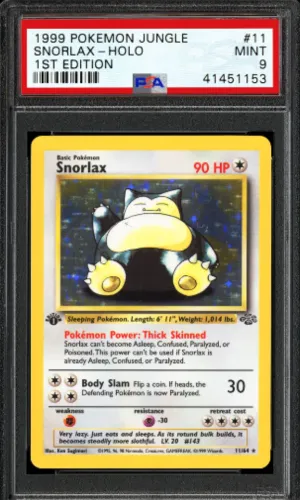 |
Jungle 1st Edition Snorlax Holo #11 | 1999 |
| 77 | 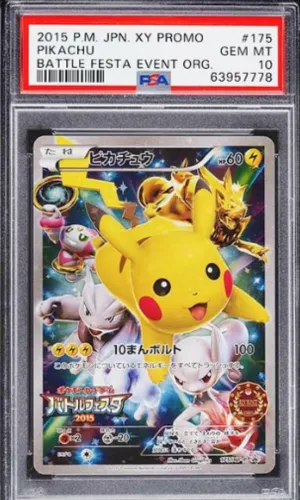 |
Japanese XY Battle Festa Event Organizer Pikachu #175 | 2015 |
| 78 | 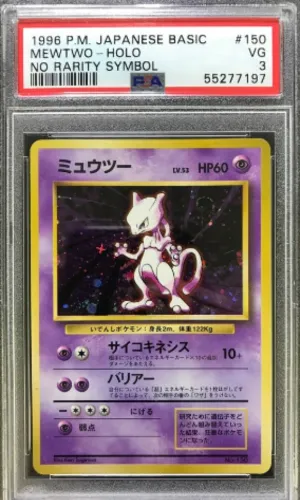 |
Japanese Base Set No Rarity Mewtwo Holo #150 | 1996 |
| 79 | 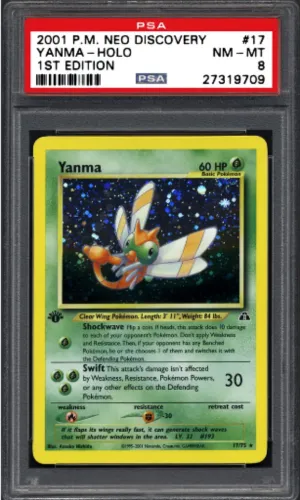 |
Neo Discovery 1st Edition Yanma Holo #17 | 2001 |
| 80 | 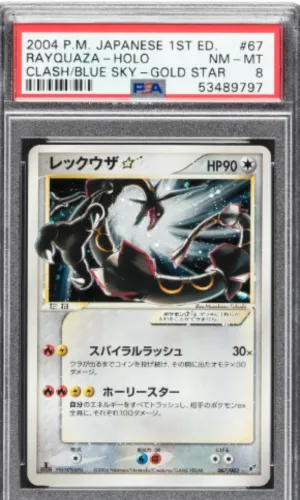 |
Japanese Clash of the Blue Sky 1st Edition Gold Star Rayquaza | 2004 |
| 81 | 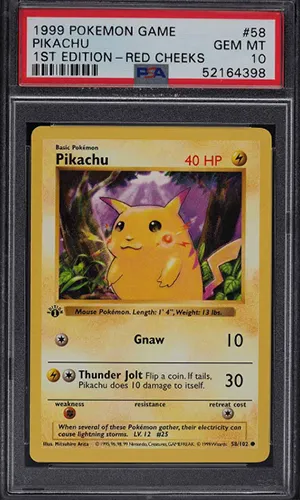 |
Base Set 1st Edition Shadowless Red Cheeks Pikachu #58 | 1999 |
| 82 | 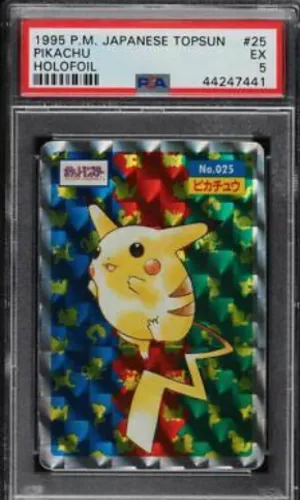 |
Japanese Topsun Holofoil Pikachu #25 | 1995 |
| 83 | 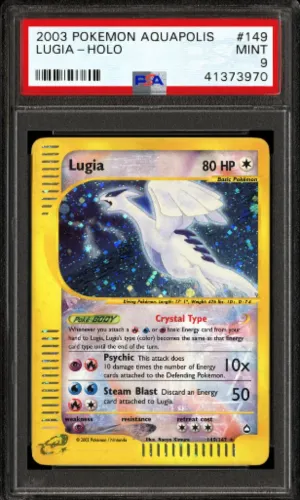 |
Aquapolis Crystal Lugia Holo #149 | 2003 |
| 84 | 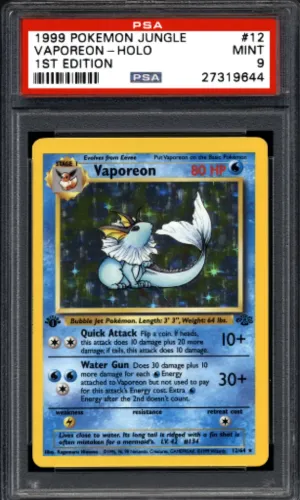 |
Jungle 1st Edition Vaporeon Holo #12 | 1999 |
| 85 | 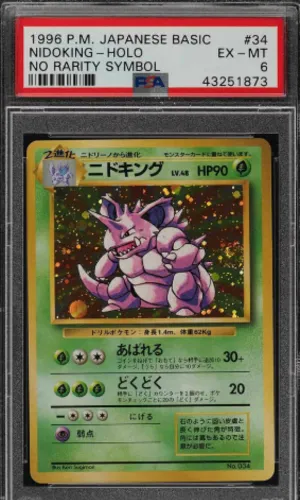 |
Japanese Base Set No Rarity Nidoking Holo #34 | 1996 |
| 86 | 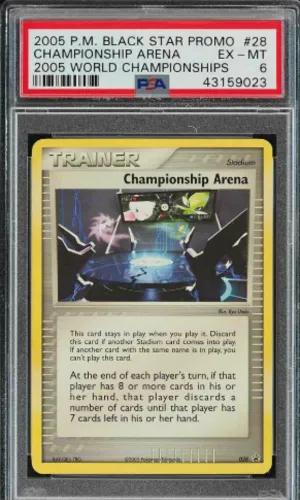 |
World Championships Championship Arena Promo #28 | 2005 |
| 87 | 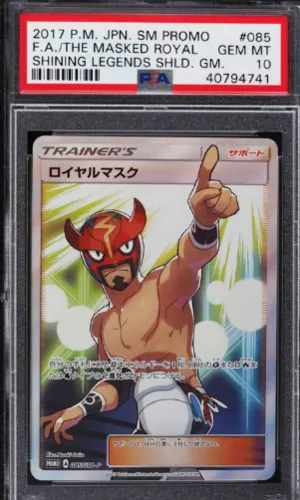 |
Japanese Shining Legends The Masked Royal Promo #085 | 2017 |
| 88 | 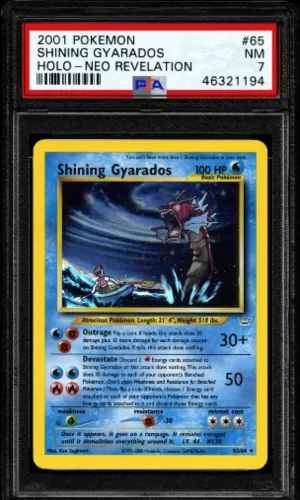 |
Neo Revelation 1st Edition Shining Gyarados #65 | 2001 |
| 89 | 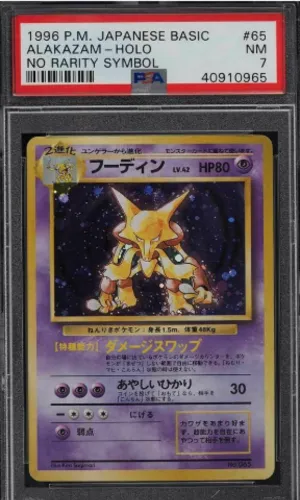 |
Japanese Base Set No Rarity Alakazam Holo #65 | 1996 |
| 90 | 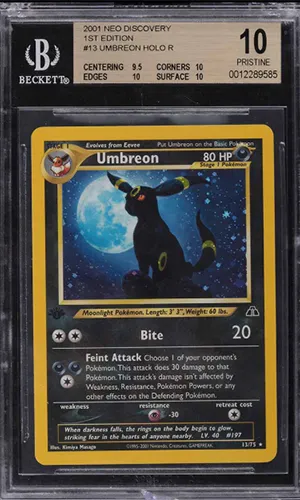 |
Neo Discovery 1st Edition Umbreon Holo #13 | 2001 |
| 91 | 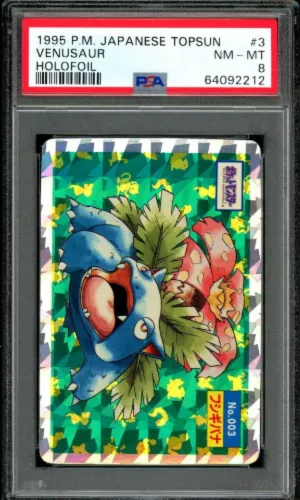 |
Japanese Topsun Holofoil Venusaur #3 | 1995 |
| 92 | 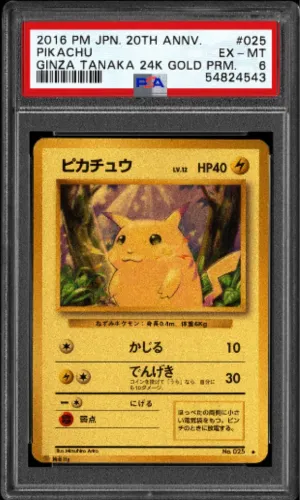 |
Japanese 20th Anniversary Ginza Tanaka 24K Gold Pikachu #25 | 2016 |
| 93 | 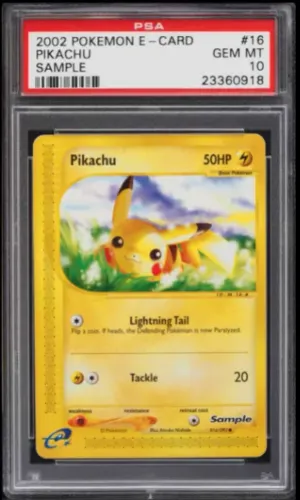 |
E-Card Sample Pikachu #16 | 2002 |
| 94 | 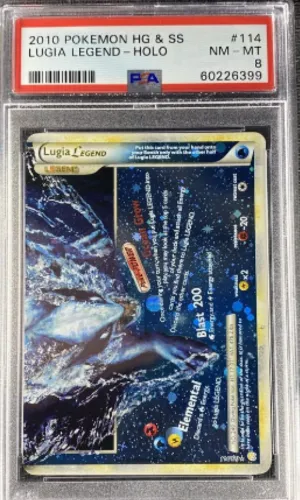 |
HeartGold & SoulSilver Lugia LEGEND Holo #114 | 2010 |
| 95 | 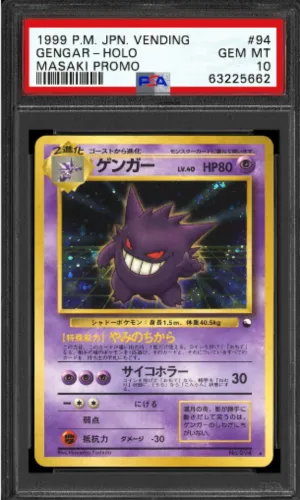 |
Japanese Masaki Vending Promo Gengar Holo #94 | 1999 |
| 96 | 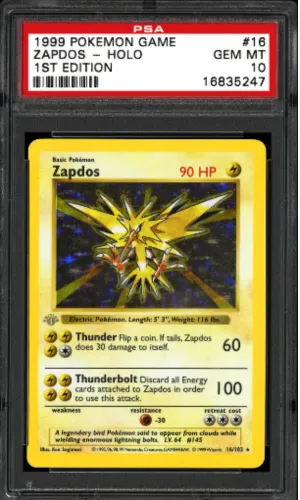 |
Base Set 1st Edition Shadowless Zapdos Holo #16 | 1999 |
| 97 | 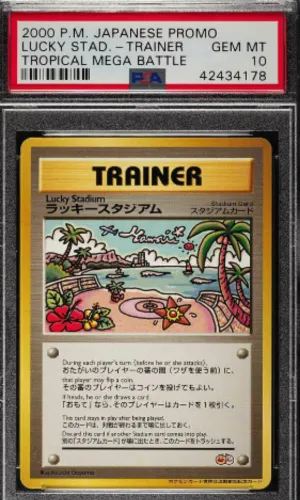 |
Japanese Tropical Mega Battle – Lucky Stadium Promo | 2000 |
| 98 | 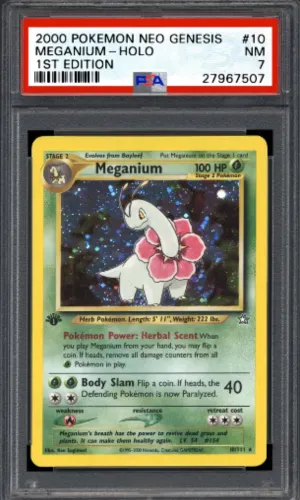 |
Neo Genesis 1st Edition Meganium Holo #10 | 2000 |
| 99 | 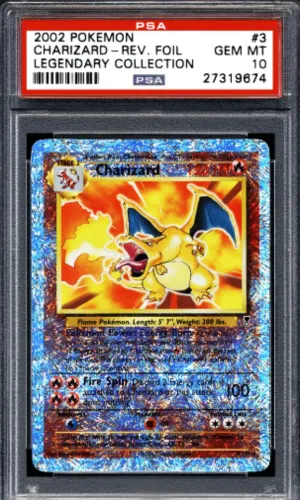 |
Legendary Collection Reverse Holo Charizard #3 | 2002 |
| 100 | 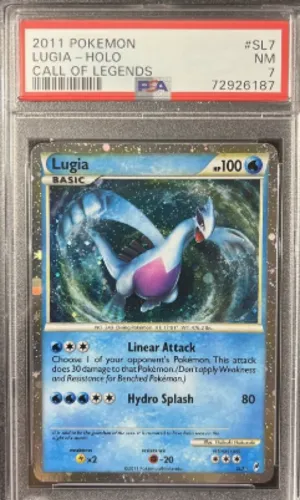 |
Call of Legends Lugia Holo #SL7 | 2011 |
Even at number 100, we’re looking at cards with strong historical appeal.
And that’s worth remembering: appearing lower on this particular ranking doesn’t mean a card is inexpensive or unimportant.
Its actual market value still depends heavily on condition, grading and recent transactions.
What Makes These Pokémon Cards So Valuable?
Looking across all 100 entries, several patterns become clear.
1. True Scarcity Matters More Than Pull Rates
Consider Pikachu Illustrator, tournament Trainer cards and Japanese Battle Road prizes.
Many of these cards were distributed to a very limited group of people. Some were awarded only to competition winners, while others required participation in specific events.
Compare that with a modern chase card.
Even if a modern card is difficult to pull, thousands of collectors may still be opening the same product every day.
That’s the difference between a card being difficult to obtain and having genuinely limited distribution.
Not every rare card is scarce, and not every scarce card is valuable. Demand still matters.
2. Charizard Remains a Collecting Powerhouse
Charizard appears throughout the ranking, from early Base Set releases to Gold Stars, Crystal cards and unusual international printings.
But popularity alone doesn’t explain the price differences.
A regular Base Set Charizard, a 1st Edition Shadowless Charizard and a Japanese No Rarity Charizard are three very different collectibles.
Their values reflect different production histories, available populations and levels of collector demand.
For Malaysian buyers, this is particularly important when evaluating older cards advertised simply as vintage Charizard.
Always verify the exact version before comparing prices.
3. Japanese Promotional Cards Deserve More Attention
One of the most interesting observations is how frequently Japanese promotional cards appear.
Cards such as Master Scroll, Victory Ring, Miracle Diamond and the PLAY promotional Gold Stars were distributed through systems that differ significantly from regular booster releases.
Some required event participation. Others involved promotional point programmes or specific achievements.
These distribution stories give collectors something beyond artwork to appreciate.
They also make the cards harder to compare with ordinary set releases.
4. A PSA 10 Doesn’t Automatically Mean a Valuable Card
Grading can make a significant difference, particularly for vintage cards.
However, there’s a major distinction between a PSA 10 card with very few surviving Gem Mint copies and a modern PSA 10 with thousands of graded examples.
Before buying an expensive slab, collectors should examine the population report.
A useful starting point is to compare:
| Factor | What to Check |
|---|---|
| PSA population | How many copies received the same grade? |
| Higher grades | Are better-graded examples available? |
| Recent sales | What have buyers actually paid? |
| Available listings | How much competing supply is on the market? |
| Card variation | Is it the correct edition, language and printing? |
A low population can support scarcity, but it doesn’t guarantee future price appreciation.
What Malaysian Pokémon Collectors Can Learn
Most Malaysian collectors aren’t shopping for million-ringgit trophy cards.
But the principles behind these collectibles apply equally to cards worth RM300, RM3,000 or RM30,000.
Imagine two cards being offered for RM5,000.
The first is a modern chase card with beautiful artwork and a rapidly increasing PSA population.
The second is an older promotional card with limited distribution, established collector demand and relatively few high-grade copies.
Which is the better purchase?
There isn’t an automatic answer.
The modern card might have stronger liquidity, while the older promo might have greater historical appeal. Both could rise or fall in value.
What matters is understanding why buyers want the card and how easily you could sell it again.
For collectors in Malaysia, resale liquidity deserves particular attention. A card might command impressive prices overseas, but selling it locally at the same valuation isn’t always straightforward.
Shipping, international marketplace fees, currency movements and the number of potential buyers can all affect your actual return.
Are the World’s Most Expensive Pokémon Cards Good Investments?
Some certainly have impressive histories, but expensive doesn’t automatically mean profitable.
A card worth RM100,000 today could sell for less next year. Even an extremely rare collectible can struggle to find a buyer when market sentiment changes.
There is also a difference between an advertised price and a completed transaction.
Someone listing a card for RM50,000 doesn’t establish that collectors are willing to pay RM50,000.
For that reason, we generally find verified completed sales more useful than asking prices when evaluating a collectible.
Collectors should also be cautious about assuming that every modern chase card will eventually follow the same path as vintage Charizard or Pikachu Illustrator.
Those cards became desirable under very different circumstances.
Final Thoughts
The world’s 100 most expensive Pokémon cards offer a fascinating look at how the hobby has evolved.
From early Japanese promotional cards to rare tournament trophies and iconic vintage releases, the ranking demonstrates that exceptional value often comes from a combination of scarcity, history, condition and sustained collector demand.
But there’s one lesson we think every collector should remember.
A Pokémon card doesn’t become valuable simply because it’s old, graded or difficult to pull. It becomes valuable when enough collectors want something that isn’t easily replaceable.
And whether you’re collecting RM200 singles or RM20,000 slabs, understanding that difference can help you make better purchasing decisions.
Source: CardCollector.co.uk – Top 100 Most Expensive Pokémon Cards. Ranking reproduced in abbreviated form for reference, with original commentary and analysis by TCGNOW.
Related Post
What Happens When the Pokémon TCG Hype Dies — And Who Gets Left Holding the Bag
What actually happens to the Pokémon TCG market when the hype dies down? Not slows [...]
The Biggest Mistake New Pokémon Card Investors Are Making Right Now
Pokémon cards have become more than a hobby. Today, sealed boxes, PSA 10 slabs and [...]